

Sealing stamped concrete requires thoroughly cleaning the surface, choosing among acrylic, polyurethane, or penetrating sealers, and applying two thin coats with a roller or sprayer. In West Michigan, resealing every two to three years protects against freeze-thaw damage and UV fading.
After nearly a decade of installing and maintaining stamped concrete in West Michigan, we know that sealing matters more than the stamp itself. A perfectly poured and stamped patio often loses its color and begins to crack within three winters without the right sealer applied correctly. Cole Concrete has sealed hundreds of stamped patios and driveways across the Grand Rapids area and breaks down the process below.
Why Sealing Stamped Concrete Matters in West Michigan
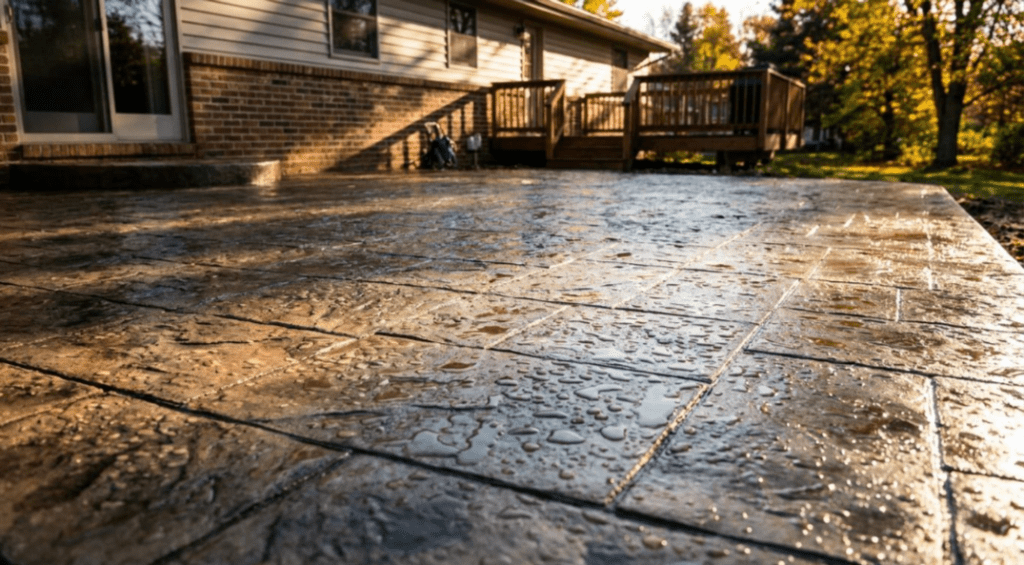
West Michigan’s freeze-thaw cycle is the single biggest threat to stamped concrete. Water seeps into the textured surface, freezes, expands, and cracks the top layer, a process called spalling. Grand Rapids averages around 75 freeze-thaw cycles per winter, and each one pushes unsealed concrete closer to surface failure.
Sealing creates a barrier that blocks moisture from penetrating the stamped pattern. It also:
- Locks in the color pigments that give stamped concrete its stone or brick appearance
- Prevents white efflorescence (salt deposits) from clouding the surface
- Blocks UV rays that fade integral color over time
- Makes the surface easier to clean by repelling oil, dirt, and organic stains
Without a sealer, most stamped concrete in this climate will show visible wear within two winters.
Choosing the Right Sealer Type

Not every sealer works the same way, and picking the wrong one for your project often leads to peeling, hazing, or premature failure.
Acrylic Sealers
The most common choice for stamped concrete. Film-forming acrylics sit on top of the surface and enhance color with a glossy or semi-gloss finish. They’re affordable and easy to reapply, but they wear faster in high-traffic areas. For most West Michigan patios, a solvent-based acrylic sealer offers the best balance of color enhancement and durability.
Polyurethane Sealers
Harder and more abrasion-resistant than acrylics. Polyurethane works well on stamped driveways that handle vehicle traffic. The trade-off is its higher cost and longer application process. Polyurethane sealers also trap moisture more aggressively, so the concrete must be completely dry before application.
Penetrating Sealers
These soak into the concrete rather than forming a film on top. Penetrating sealers protect against moisture and salt damage without changing the surface appearance. They’re ideal for homeowners with stamped concrete who prefer a natural, matte look but still want freeze-thaw protection.
How To Seal Stamped Concrete Step by Step
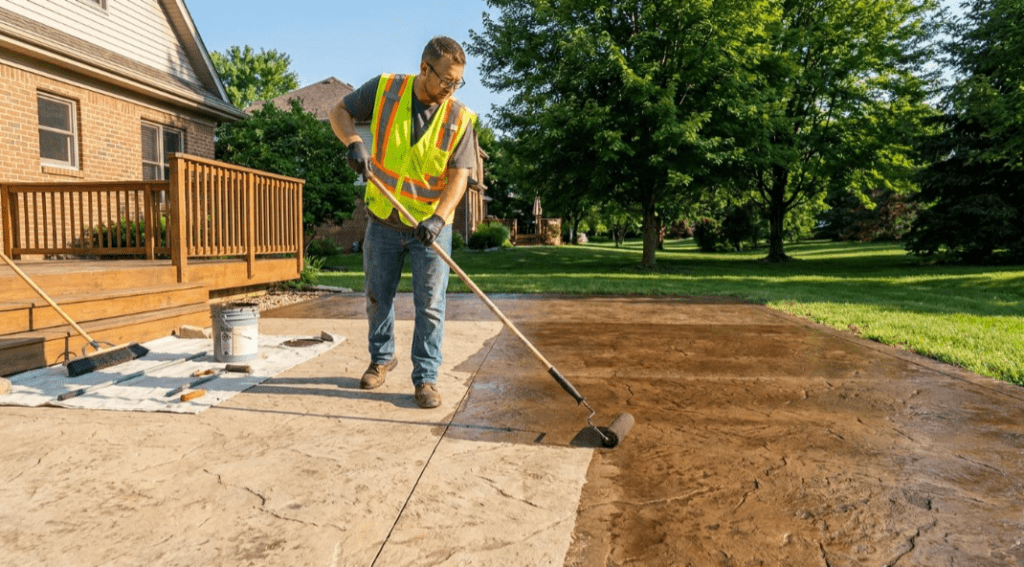
Proper application determines whether your sealer lasts one year or three. Rushing the prep work is the most common mistake homeowners make.
- Clean the surface completely. Use a pressure washer at 2,500 to 3,000 PSI to remove dirt, mold, and old sealer residue. Let the concrete dry for at least 48 hours before sealing.
- Check the weather forecast. Apply sealer when temperatures stay between 50°F and 85°F for at least 24 hours. In Grand Rapids, late May through early October offers the most reliable sealing windows.
- Apply the first coat thinly. Use a 3/8-inch nap roller or a pump sprayer. Thin coats prevent bubbling and white hazing, two problems that thick application commonly causes.
- Wait two to four hours, then apply the second coat. Roll perpendicular to the first coat’s direction for even coverage. Two thin coats consistently outperform one thick coat.
- Keep foot traffic off for 24 hours and vehicle traffic off for 72 hours minimum.
For homeowners looking to learn more about ongoing care, our guide to stamped concrete maintenance covers seasonal upkeep beyond sealing.
When To Reseal Stamped Concrete in Michigan
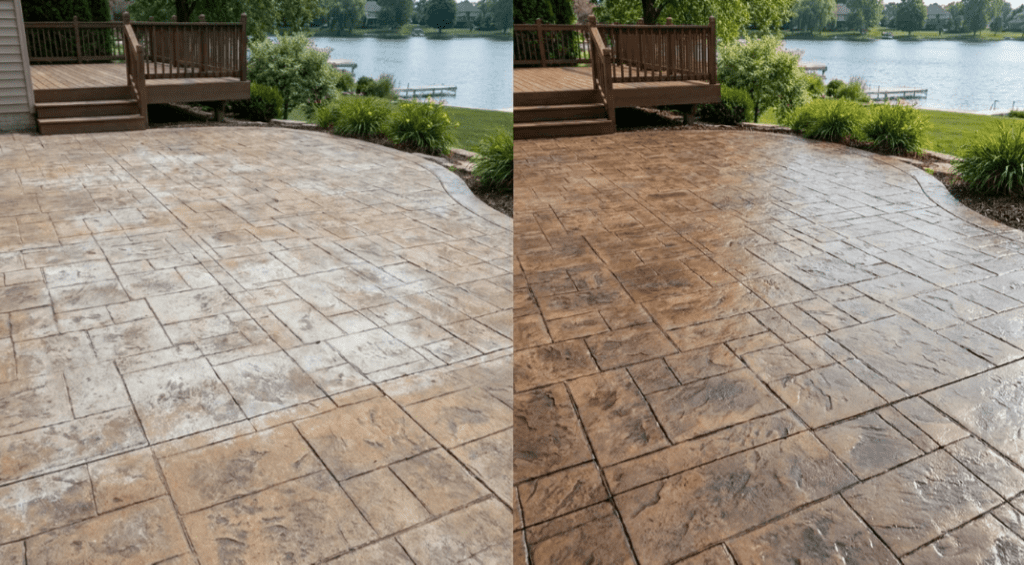
Resealing frequency depends on traffic, sun exposure, and Michigan’s weather cycles. Most stamped concrete surfaces in Grand Rapids need resealing every two to three years. Driveways exposed to road salt and tire wear may need attention closer to every 18 months.
Watch for these signs that your sealer is breaking down:
- Water no longer beads on the surface
- Color appears faded or chalky compared to shaded areas
- White patches or a cloudy film develop in high-traffic zones
Testing is simple: pour a small amount of water on the surface. If it absorbs within 30 seconds instead of beading, it’s time to reseal.
Frequently Asked Questions
Can I seal stamped concrete myself, or should I hire a professional?
Homeowners can apply the sealer themselves with the right equipment and preparation. The key is proper cleaning, correct sealer selection, and thin application. Cole Concrete recommends professional sealing for first-time applications to new concrete slab installations, as product choice directly affects their long-term appearance.
What happens if I don’t seal my stamped concrete?
Unsealed stamped concrete absorbs water, which leads to surface spalling during Michigan’s freeze-thaw cycles. The integral color fades faster from UV exposure, and stains from leaves, oil, and organic matter become permanent. Most unsealed stamped surfaces in West Michigan show significant deterioration within three winters.
How much does it cost to seal a stamped concrete patio?
Professional sealing for a standard 300-square-foot stamped patio in Grand Rapids typically costs $300 to $600, depending on sealer type and surface condition. DIY sealer materials alone run $50 to $150 for the same area. Resealing costs less than the initial application because prep work is lighter on maintained surfaces.
Protect Your Stamped Concrete for Years to Come
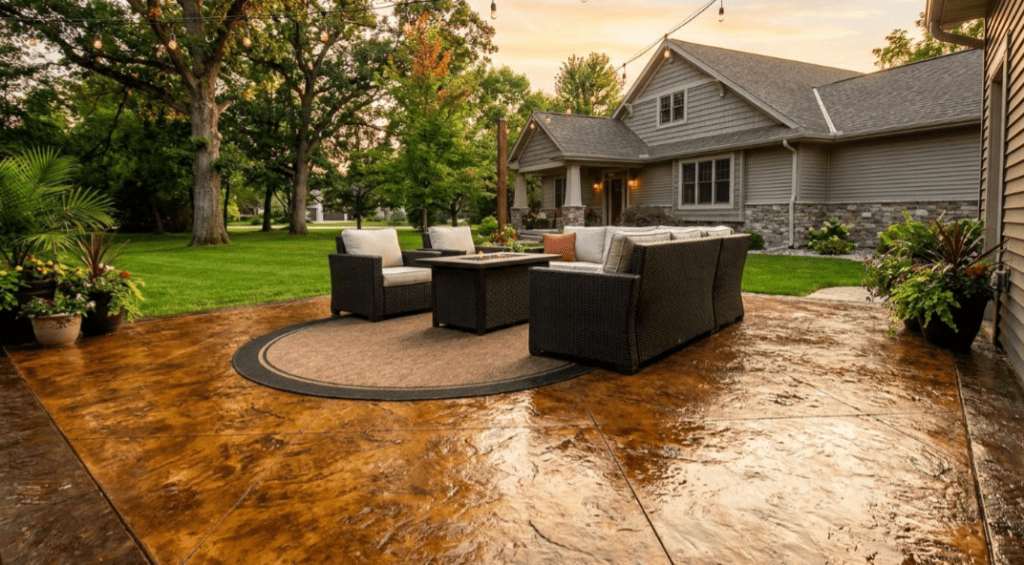
The right sealer applied at the right time keeps your stamped concrete looking sharp through West Michigan’s toughest seasons. Choose your sealer based on traffic level and desired appearance, follow proper prep and application steps, and commit to resealing every two to three years.
When you’re ready for professional sealing, request a free quote online or call (231) 349 2883 to get started.
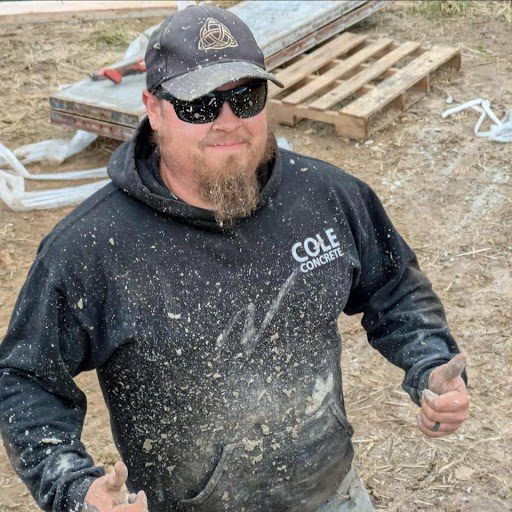
Dylan Cole is the owner of Cole Concrete, a concrete company committed to delivering quality craftsmanship and dependable service. With a passion for the trade and a personal stake in every job, Dyan and her team take pride in providing reliable concrete solutions for residential and commercial clients alike.